What Role Do Residents Play in Keeping Collection Routes Efficient?
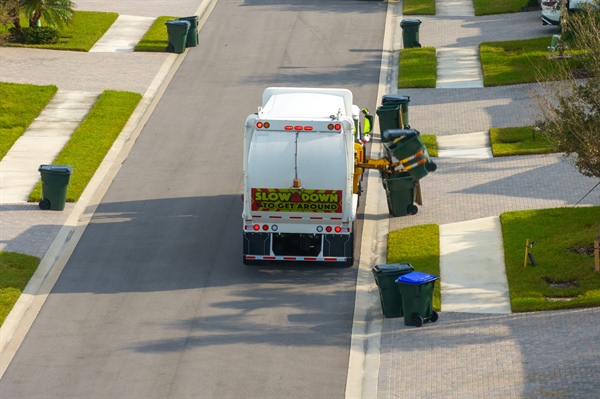
Efficient waste collection depends on more than trucks and schedules. Daily actions taken by residents directly affect how smoothly collection routes operate, how safely vehicles move through neighborhoods, and how consistently service timelines are met. From where containers are placed to how materials are sorted, small decisions at the curb influence route flow, driver safety, and overall operational reliability across residential areas.
Understanding this connection helps explain why collection guidelines exist and how shared responsibility supports dependable service. This article examines the role residents play in keeping collection routes efficient by exploring container placement, timing, material preparation, access conditions, and guideline compliance. Drawing on real-world collection practices used by providers like Jendro Sanitation, each section breaks down how everyday resident behavior shapes route predictability and performance. For many households already using regular trash services, these details clarify how curbside habits influence what happens beyond the driveway.
How Proper Bin Placement Improves Collection Speed and Vehicle Flow
Proper placement of bins and containers plays a measurable role in how quickly collection vehicles can move along a route. When containers are positioned at the curb with adequate clearance from obstacles such as mailboxes, parked cars, and utility poles, drivers can complete stops without repeated maneuvering. This reduces dwell time at each address and limits unnecessary braking or repositioning of the vehicle, which directly affects total route duration.
Consistent placement also supports predictable vehicle movement. Collection trucks are designed to approach containers from a specific angle and distance, allowing automated or semi-automated lifting equipment to function without interruption. When residents place containers too close together, behind objects, or on uneven ground, drivers must slow down or exit the cab to correct the issue, interrupting the planned flow of the route.
Operational data from residential routes shows that neighborhoods with uniform container placement experience fewer service delays and lower fuel consumption. These efficiencies are reinforced when residents follow curbside placement standards used by local trash services, allowing vehicles to maintain steady movement through residential streets without frequent stops for adjustments.
Why Timely Set-Out and Retrieval Supports Route Predictability
Timely set-out of waste and recycling containers allows collection crews to follow predefined route schedules with minimal variation. When containers are placed at the curb before the scheduled service window, drivers can service each stop without returning later or flagging missed pickups. This consistency is essential for maintaining route predictability across dozens or hundreds of households.
Equally important is prompt retrieval of containers after service. Containers left curbside beyond collection windows can interfere with subsequent municipal activities such as street sweeping, snow removal, or emergency access. From a routing perspective, lingering containers create visual and physical clutter that can complicate navigation on narrower residential streets.
Service providers offering residential garbage services rely on predictable resident participation to maintain on-time performance. When most households adhere to set-out and retrieval timing, route planners can account for average stop durations and traffic patterns with greater accuracy, reducing the likelihood of cascading delays later in the day.
How Correct Waste Sorting Prevents Contamination and Route Delays
Correct sorting of waste, recyclables, and organics reduces contamination that can disrupt collection operations. Contaminated loads may require drivers to stop service, tag containers, or divert material to alternate facilities, all of which interrupt planned routes. These disruptions increase collection time and can result in partial route completion.
Sorting errors also affect downstream processing. Recycling facilities often reject loads with excessive contamination, forcing haulers to reroute material to disposal sites. This adds unplanned mileage and time to routes that were originally optimized for a specific sequence of stops and disposal locations.
From an operational standpoint, routes serving neighborhoods with high sorting compliance experience fewer service exceptions. Drivers can focus on maintaining pace rather than inspecting contents or reporting violations, supporting consistent throughput and reducing the administrative burden associated with contamination incidents.
The Impact of Blocked Access and Overfilled Containers on Safety
Blocked access points, including parked vehicles or obstructed alleys, pose immediate safety and efficiency concerns. When drivers cannot safely access containers, they must either skip the stop or attempt complex maneuvers that increase collision risk. These situations slow route progression and raise the likelihood of service interruptions.
Overfilled containers present similar challenges. Lids that do not close properly can cause debris to spill during lifting, requiring cleanup before the vehicle can proceed. Loose material also increases the risk of roadway hazards, which may force drivers to stop and address safety issues mid-route.
Routes with frequent access obstructions or container issues show higher incident rates and longer completion times. Addressing these resident-caused obstacles is a key factor in maintaining safe, uninterrupted collection operations throughout the service area.
How Resident Compliance and Communication Improve Route Planning
Compliance with local collection guidelines creates a dependable structure for route planning throughout Charles City and the surrounding communities. When residents follow requirements related to container size, proper material preparation, and curbside placement, routes can be developed around consistent service conditions rather than frequent exceptions.
Open communication about service concerns also helps maintain operational stability. Reporting missed pickups, damaged carts, or access challenges allows adjustments to be made without affecting the broader route schedule. Prompt communication reduces the likelihood of recurring issues that could otherwise impact future collections.
In and around Charles City, coordinated participation supports the dependable service Jendro Sanitation provides. By following established guidelines and sharing accurate feedback, residents help collection teams maintain predictable schedules across residential routes. For assistance, residents may call 641-228-3525, visit the office at 108 Prospect Lane, Charles City, IA 50616, or connect online through the company’s contact page.