How Proper Waste Segregation Improves Garbage Collection Efficiency
Proper waste segregation plays a direct role in how efficiently garbage collection systems operate, from the moment materials are placed at the curb to their final processing destination. When trash, recyclables, and organic waste are separated correctly, collection crews can move through routes with fewer disruptions, vehicles require less manual intervention, and facilities can process materials without costly delays. Communities that follow clear sorting standards often experience fewer missed pickups, reduced contamination, and more predictable collection schedules. Jendro Sanitation works within these systems every day, seeing firsthand how sorting habits affect route flow and overall service reliability.
This article examines how separating waste into the correct streams supports smoother operations across the entire collection network. It explains the differences between common waste categories, how sorting mistakes slow down routes, and which tools help residents stay organized. It also looks at enforcement practices tied to sorting rules and how resident education leads to measurable efficiency gains. Along the way, real-world collection scenarios are used to show why small actions at home, such as preparing residential trash correctly, have system-wide impacts that extend far beyond the curb.
Understanding the Difference Between Trash, Recyclables, and Yard Waste
Trash, recyclables, and yard waste are handled through separate collection and processing systems because each category has different material characteristics and disposal requirements. Trash typically includes non-recyclable household waste such as food-contaminated packaging, broken items, and sanitary products. These materials are sent to landfills or waste-to-energy facilities, where sorting after collection is limited. Mixing other materials into this stream increases processing difficulty and raises disposal costs.
Recyclables consist of materials that can be reprocessed into new products, including paper, cardboard, metal cans, glass, and certain plastics. These items must remain relatively clean and uncontaminated to be accepted by recycling facilities. Even small amounts of food residue or non-recyclable materials can cause entire loads to be rejected, forcing them to be diverted back into the trash stream. This reduces the effectiveness of recycling programs and adds unnecessary handling steps during collection.
Yard waste includes organic materials such as grass clippings, leaves, branches, and garden debris. These materials are often composted or processed separately to create soil amendments. When yard waste is mixed with regular trash or recycling, it can damage sorting equipment and slow down transfer station operations. Clear separation at the household level allows collection crews handling residential trash to maintain steady routes without stopping to address contamination issues.
How Incorrect Waste Sorting Disrupts Garbage Collection Routes
Incorrect sorting introduces inefficiencies that compound across an entire collection route. When drivers encounter contaminated bins, they may need to stop, inspect the contents, document violations, or leave the container unemptied. Each interruption adds time to the route, increases fuel use, and affects downstream stops. Over the course of a day, these delays can push routes past scheduled completion windows.
Improper sorting also affects vehicle loading patterns. Recycling trucks and garbage trucks are designed for specific material weights and compaction levels. When bins contain the wrong materials, load distribution becomes uneven, requiring earlier unloading trips. This shortens route coverage and forces trucks to travel back to transfer stations more frequently, reducing overall collection capacity.
Residential collection programs depend on predictable material streams to operate efficiently. When residents consistently follow guidelines tied to residential garbage services, crews can complete routes without added inspections or rehandling. Correct sorting allows drivers to focus on safe operation and timely service rather than corrective actions at each stop.
Tools and Bin Systems That Improve Household Waste Separation
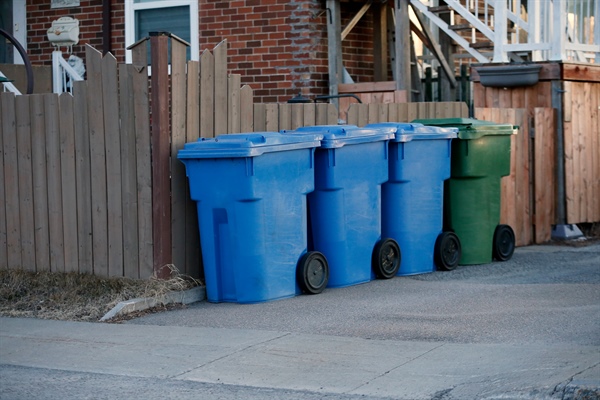
Standardized bin systems are one of the most effective tools for improving waste separation. Clearly labeled containers with designated colors for trash, recycling, and yard waste reduce confusion and speed up curbside preparation. When residents rely on visual cues rather than written instructions alone, sorting accuracy improves, and collection crews encounter fewer problem containers.
Bin size and lid design also play a role in proper separation. Dedicated recycling carts often include restricted openings that discourage the placement of oversized or inappropriate items. Yard waste containers may allow for ventilation or accept compostable bags, supporting organic processing requirements. These design features guide resident behavior without requiring constant oversight.
Additional tools such as printed guides, lid decals, and seasonal reminders reinforce correct sorting habits. When households have easy access to up-to-date information and physical cues, they are more likely to maintain consistent separation practices. This consistency directly supports smoother collection operations and reduces sorting-related delays during pickup.
Penalties and Enforcement Related to Waste Sorting Guidelines
Many municipalities and service providers enforce sorting guidelines through graduated penalties designed to encourage compliance rather than immediate punishment. Initial responses often include warning tags, educational notices, or refusal to collect contaminated bins. These measures signal that sorting errors have operational consequences while giving residents an opportunity to correct their behavior.
Repeated violations may result in fines, service suspension, or additional fees to cover the cost of handling contaminated materials. These penalties reflect the added labor, fuel, and processing expenses caused by improper sorting. Enforcement mechanisms are structured to protect the efficiency of the entire collection system rather than target individual households unfairly.
From an operational standpoint, enforcement reduces chronic route disruptions. When guidelines are consistently applied, residents adapt their habits, leading to fewer inspection stops and rejected loads. Over time, this creates a more reliable collection schedule and lowers system-wide costs associated with contamination management.
How Resident Education Improves Garbage Collection Route Efficiency
Resident education directly influences how efficiently collection routes operate. Clear explanations of sorting rules, accepted materials, and preparation standards reduce guesswork at the curb. When residents understand not just what to separate but why it matters, compliance rates increase and collection crews experience fewer delays.
Education efforts often include onboarding materials for new customers, seasonal updates, and reminders tied to common problem items. These communications address changes in recycling markets, weather-related adjustments, and local processing requirements. Consistent messaging helps prevent outdated practices from persisting within the community.
Service providers such as Jendro Sanitation rely on informed residents to maintain predictable routes and efficient operations. When households sort correctly, trucks move steadily, loads remain balanced, and facilities receive cleaner material streams. Education transforms waste segregation from an individual task into a shared operational responsibility.
Supporting Efficient Waste Collection Through Proven Local Expertise
Efficient garbage collection depends on accurate sorting, informed residents, and reliable service coordination. Jendro Sanitation supports these goals by providing structured waste and recycling services designed to align with local processing standards and route efficiency requirements. By maintaining clear guidelines for trash, recycling, and yard waste, the company helps reduce contamination, minimize route delays, and keep collection schedules consistent across service areas.
Based at 108 Prospect Lane, Charles City, IA 50616, Jendro Sanitation works closely with residential customers to reinforce sorting practices that protect collection infrastructure and downstream facilities. Educational materials, clearly defined service options, and responsive customer support allow residents to understand expectations and adapt to seasonal or regulatory changes. This approach reduces missed pickups, limits enforcement actions, and supports efficient route planning throughout the service area.
Residents with questions about waste separation rules, service options, or collection schedules can speak directly with the Jendro Sanitation team at 641-228-3525. Additional details and assistance are available through the company’s contact us page, where customers can request information, start service, or address sorting concerns that affect collection efficiency.