How Should Residents Prepare Recyclables for Curbside Pickup
Preparing recyclables for curbside pickup plays a direct role in whether materials are successfully processed or rejected. Small preparation steps taken at home can reduce contamination, improve sorting accuracy, and help recycling facilities operate as designed. When items arrive clean, loose, and properly sized, they move through mechanical and manual sorting systems more efficiently, preserving material value and reducing disposal costs.
Residents often have questions about rinsing containers, handling cardboard, and how items should be placed in the cart. Understanding these details helps avoid common mistakes that disrupt collection and processing. This article explains best practices tied to five common questions, using standards applied by recycling providers such as Jendro Sanitation and aligning with accepted curbside recycling requirements. For program details and accepted materials, residents can review local recycling services.
Should Recyclable Containers Be Rinsed Before Pickup?
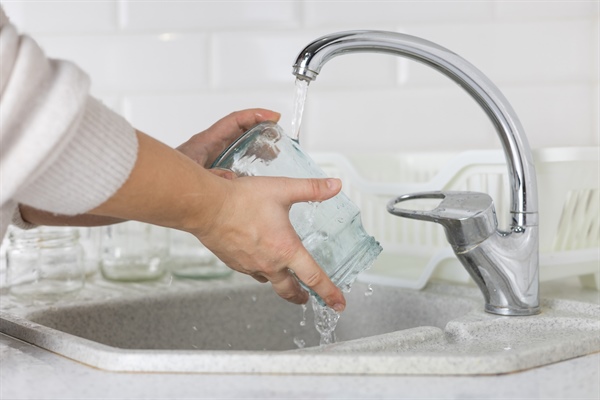
Recyclable containers should be emptied and lightly rinsed before being placed in a curbside recycling cart. Food residue left in bottles, jars, or cans can contaminate paper and cardboard during collection and transport. Organic residue also attracts pests and increases odor issues inside carts and collection vehicles.
Rinsing does not require hot water or detergent. A quick rinse to remove visible food is sufficient. Containers such as plastic tubs, aluminum cans, and glass jars that still contain liquids or food remnants are more likely to be flagged as contamination during sorting. Contaminated loads increase processing costs and may result in entire batches being diverted to disposal.
Local recycling programs supported by recycling services rely on clean materials to meet processor requirements. Clean recyclables maintain higher commodity value and reduce downtime caused by equipment fouling or manual re-sorting.
Why Flattening Cardboard Matters for Recycling Efficiency
Flattening cardboard allows more material to fit into each recycling cart and collection truck, reducing overflow and missed pickups. Unflattened boxes trap air, which limits capacity and increases the number of collection trips required to service a route.
Cardboard that is flattened also moves more effectively through sorting equipment at recycling facilities. Conveyor belts, screens, and balers are designed to handle flat materials. Bulky boxes can jam equipment or require manual intervention, slowing processing speed and increasing labor costs.
Residential programs coordinated alongside residential garbage services depend on proper cardboard preparation to maintain route efficiency and facility throughput. Flattening boxes helps maintain consistent service levels across neighborhoods.
How Loose Recyclables Should Be Placed in the Cart
Recyclables should be placed loose and unbagged inside the recycling cart. Loose placement allows sorting systems to identify materials by shape, weight, and composition. Items placed inside bags are often indistinguishable from trash during automated sorting.
Loose materials also allow collection crews to quickly verify acceptable items at the curb. When recyclables are free-flowing, contamination is easier to identify and remove before it reaches the processing facility. This reduces rejection rates and protects equipment.
Mixing materials loosely inside the cart supports the design of modern single-stream recycling systems. Proper placement improves recovery rates and reduces the likelihood of load rejection due to hidden contamination.
Why Bagged Recyclables Are Rejected During Collection
Bagged recyclables are commonly rejected because plastic bags interfere with sorting machinery. Bags wrap around rotating screens and shafts, causing shutdowns and increasing maintenance requirements. As a result, most facilities treat bagged items as contamination.
Collection crews cannot safely open bags at the curb to verify contents. Because bagged materials may contain non-recyclable waste, facilities often divert them directly to disposal to avoid processing risks.
Even clear bags present problems, as optical scanners and mechanical separators are not designed to open or separate bagged materials. Keeping recyclables loose prevents unnecessary disposal of otherwise acceptable items.
How Overfilled Recycling Carts Affect Pickup Service
Overfilled recycling carts prevent lids from closing fully, allowing materials to spill during transport. Loose debris on roadways increases cleanup costs and can create safety hazards for motorists and pedestrians.
Carts that are too full may not empty properly when tipped by automated collection equipment. Material left inside the cart after service often leads to customer complaints and repeated service requests.
Programs operated by Jendro Sanitation in Charles City rely on carts being filled within capacity limits so collection vehicles can operate safely and efficiently. Proper cart use supports consistent pickup schedules and reduces service interruptions.
Reliable Recycling Support from Jendro Sanitation
Residents looking for clear guidance on recycling preparation can rely on Jendro Sanitation for consistent standards and dependable service. Located at 108 Prospect Lane, Charles City, IA 50616, the company provides curbside recycling programs designed around modern processing requirements.
By following preparation guidelines for rinsing containers, flattening cardboard, placing items loosely, avoiding bags, and preventing overfilled carts, customers help maintain reliable collection routes and cleaner material streams. Questions about acceptable materials or cart usage can be addressed directly with knowledgeable staff.
To learn more or request service details, residents can call 641-228-3525 or visit contact us to speak with a representative.