What Causes Recycling Contamination and Why It Matters
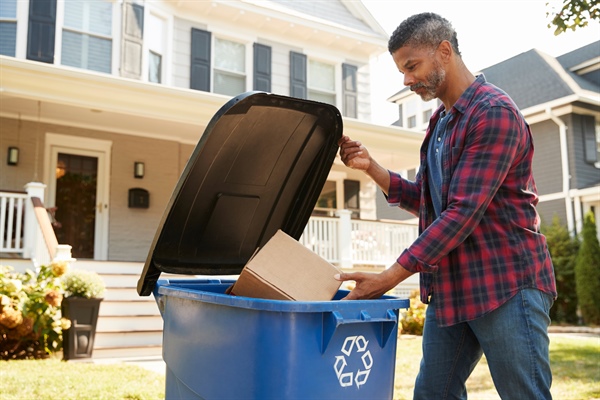
Recycling contamination occurs when non-recyclable materials, food residue, or incorrect items are placed into recycling bins. While recycling is intended to reduce landfill waste and conserve resources, contamination disrupts that process at nearly every stage. Materials that arrive dirty, mixed, or improperly sorted can damage equipment, slow down processing lines, and reduce the value of recovered materials. Across the United States, recycling facilities reject millions of tons of material each year because of contamination, making it one of the most persistent challenges in modern waste management. Companies like Jendro Sanitation regularly encounter these issues as materials move from curbside pickup to processing facilities.
Understanding why recycling contamination happens and why it matters requires a closer look at how recycling systems actually operate. This article explores how contamination affects recycling processing facilities, the most common household mistakes that lead to rejection, how contamination drives up disposal costs for communities, practical steps residents can take to reduce contamination at home, and what happens to contaminated loads after pickup. Each section explains the impacts using real-world waste management practices while highlighting how proper use of recycling services helps protect recycling infrastructure and environmental goals.
How Recycling Contamination Affects Processing Facilities
Recycling processing facilities are designed to sort large volumes of clean, correctly prepared materials at high speeds. Contamination interferes with this process by introducing items that clog machinery, contaminate otherwise recyclable materials, or require manual removal. Plastic bags, food waste, and liquids are among the most disruptive contaminants because they wrap around sorting equipment or soak paper products, rendering them unusable.
When contamination levels rise, facilities must slow down operations or shut down lines to clear blockages. This reduces overall efficiency and increases labor requirements, as workers must manually remove non-recyclable items from conveyor belts. These interruptions also increase wear on equipment, leading to more frequent maintenance and higher operational costs.
Facilities receiving materials through residential programs supported by recycling services depend on consistent material quality. Even small amounts of contamination can cause entire bales of recyclables to be downgraded or rejected by end markets, limiting their ability to be reused in manufacturing.
Common Household Mistakes That Lead to Recycling Rejection
Many rejected recycling loads originate from well-intended but incorrect household behaviors. One of the most common mistakes is placing items in the recycling bin without checking local acceptance guidelines. Items such as plastic bags, greasy pizza boxes, garden hoses, and disposable coffee cups often appear recyclable but are not accepted in standard residential programs.
Another frequent issue is food contamination. Containers that are not emptied or rinsed introduce organic waste into recycling streams. Food residue can spread quickly, contaminating paper and cardboard and making them unsuitable for processing. Liquids left in bottles and cans can also leak during transport, worsening the problem.
Clear guidance provided alongside residential garbage services helps reduce these errors. When households understand what belongs in recycling versus trash, rejection rates decline, and material quality improves across the system.
How Recycling Contamination Increases Disposal Costs for Communities
Contaminated recycling does not simply disappear; it must be managed, transported, and often disposed of as trash. When loads are rejected at processing facilities, communities incur additional hauling fees to move the material to landfills. These unplanned costs place financial strain on municipal waste budgets.
Processing facilities may also charge contamination fees to offset the labor and downtime caused by sorting unusable material. These fees are typically passed back to municipalities or service providers, which can lead to higher rates for residents over time.
In regions where landfill capacity is limited, disposing of contaminated recyclables accelerates the use of landfill space. This increases long-term infrastructure costs and undermines investments made in recycling programs intended to reduce landfill dependence.
How Residents Can Reduce Recycling Contamination at Home
Reducing contamination begins with simple, consistent household practices. Residents should follow local recycling guidelines and avoid placing questionable items in the bin. When in doubt, placing an item in the trash is often less harmful than contaminating an entire recycling load.
Emptying and lightly rinsing containers removes food residue and liquids that spread contamination during collection and transport. Flattening cardboard and keeping recyclables loose rather than bagged also improves sorting efficiency at processing facilities.
Education plays a critical role. Clear labeling of bins, periodic reminders from service providers, and updated recycling lists help residents adapt as recycling markets and acceptance rules change.
What Happens to Contaminated Recycling Loads After Pickup
Once a contaminated load is identified, recycling facilities evaluate whether it can be partially recovered. In cases of low contamination, workers may attempt to remove non-recyclable items manually. This process is labor-intensive and increases processing costs.
Heavily contaminated loads are often rejected outright and redirected to landfills or waste-to-energy facilities. This outcome negates the environmental benefits of recycling and increases disposal expenses for the community.
Information provided through Jendro Sanitation’s website at Jendro Sanitation helps residents understand how proper sorting directly affects what happens to materials after pickup and why prevention is more effective than correction.
How Jendro Sanitation Helps Communities Reduce Recycling Contamination
Managing recycling contamination requires coordination between residents, service providers, and processing facilities. Jendro Sanitation supports this effort by offering structured recycling and waste collection programs designed to meet local processing requirements. Clear service guidelines and consistent collection practices help reduce rejected loads and unnecessary disposal.
Based in Charles City, Iowa, Jendro Sanitation serves residential customers with reliable waste and recycling solutions. Their team helps communities limit contamination, control disposal costs, and maintain efficient material recovery systems.
To learn more or get guidance on proper recycling practices, contact Jendro Sanitation at 641-228-3525 or visit their office at 108 Prospect Lane, Charles City, IA 50616. For service inquiries or additional information, contact us.