What Can and Cannot Be Placed in Residential Trash Bins
Residential trash collection operates under clear rules designed to protect public health, worker safety, and local disposal infrastructure. Knowing what belongs in a household trash bin—and what does not—helps prevent missed pickups, equipment damage, and environmental harm. Everyday items such as food waste, packaging, and non-recyclable household debris are generally accepted, while other materials require separate handling due to safety or regulatory limits. Understanding these distinctions helps households avoid service disruptions and compliance issues.
This article explains what can and cannot be placed in residential trash bins, using common household situations as reference points. It addresses prohibited items, proper handling of hazardous materials, rules around bulky household waste, and how improper disposal affects collection operations. It also explains the consequences that may apply when restricted materials are placed in curbside bins. These topics reflect guidance commonly followed by providers like Jendro Sanitation and align with established residential trash standards. For an overview of standard residential trash guidelines, local service requirements offer a practical reference point.
Household Items Prohibited From Regular Residential Trash Pickup
Residential trash programs are designed for routine household waste, not materials that pose safety, environmental, or regulatory risks. Commonly prohibited items include hazardous chemicals, automotive fluids, batteries, electronics, medical sharps, propane tanks, and construction debris. These materials can leak, ignite, or damage collection equipment during compaction and transport.
Appliances containing refrigerants, such as refrigerators or freezers, are also excluded due to federal requirements for refrigerant recovery. Electronic waste is restricted because it contains metals and components regulated under disposal and recycling laws. Paint, solvents, and pesticides are excluded because they can contaminate landfills and create unsafe conditions for collection crews.
Local residential trash standards generally limit bins to bagged household refuse, food waste, and non-recyclable packaging. Items outside those categories must follow alternative disposal programs to protect workers and facilities that support residential trash collection systems.
Proper Handling of Hazardous Materials in Residential Settings
Hazardous household materials require controlled handling because of their chemical, flammable, or toxic properties. Items such as motor oil, antifreeze, pesticides, cleaning solvents, and oil-based paints should never be placed in curbside trash bins. These substances can leak during collection and pose risks to sanitation workers and disposal sites.
Most municipalities provide designated household hazardous waste programs or scheduled drop-off events. These programs are designed to safely collect, contain, and process materials that cannot enter standard waste streams. Homeowners are expected to store hazardous items in original containers with intact labels until proper disposal is available.
Residential waste providers structure their services around safe, regulated materials only. Guidance published by residential garbage providers reflects these standards, and many households rely on information tied to residential garbage services to stay compliant with local handling rules.
Rules for Bulky Household Items in Residential Trash Service
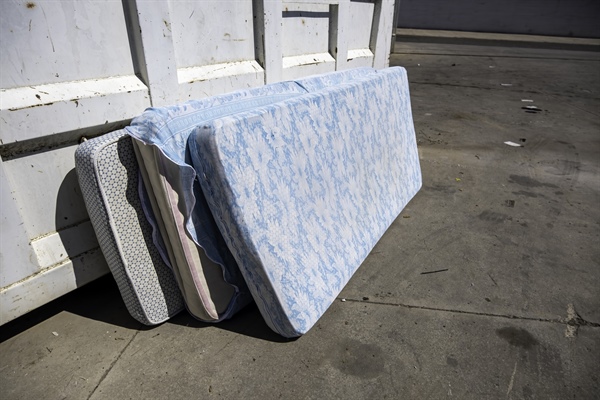
Bulky household items such as furniture, mattresses, carpeting, and large fixtures are generally not accepted in standard residential trash bins. These items exceed size and weight limits designed for automated collection equipment and can obstruct compaction mechanisms inside collection trucks.
Many residential service programs require bulky items to be scheduled separately or placed out during designated bulk collection days. Some items may need preparation, such as mattress wrapping or carpet cutting, to meet handling requirements. Appliances and fixtures may require prior approval due to material composition.
These limitations exist to prevent equipment damage and maintain consistent service routes. Residential trash systems are optimized for regular household waste rather than oversized materials, which must be managed through alternate collection arrangements.
Impact of Improper Trash Disposal on Collection Services
Improper disposal affects more than a single household pickup. Restricted items placed in trash bins can cause truck fires, mechanical failures, or spills during collection. Lithium batteries, aerosols, and flammable liquids are common causes of collection vehicle incidents nationwide.
When prohibited materials are discovered, collection crews may be required to leave bins unemptied, tag containers for violation, or reroute loads for inspection. These disruptions can delay service for entire neighborhoods and increase operational costs tied to cleanup and repairs.
Consistent compliance helps maintain predictable service schedules and protects workers. Residential collection systems rely on uniform waste streams to operate safely and efficiently, making proper disposal a shared responsibility across service areas.
Penalties and Enforcement for Placing Restricted Items in Trash Bins
Penalties for improper disposal vary by municipality but commonly include warnings, service refusal, contamination fees, or fines. Repeated violations may lead to suspension of service until compliance is restored. These enforcement measures exist to protect workers and ensure regulatory compliance.
Some jurisdictions impose higher penalties for hazardous waste violations due to environmental and safety risks. Illegal disposal of chemicals, electronics, or pressurized containers may also trigger reporting requirements or referrals to local enforcement agencies.
Service guidelines published by providers such as Jendro Sanitation reflect these enforcement standards and outline acceptable materials to help residents avoid penalties and service disruptions.
Residential Trash Guidance and Support
Jendro Sanitation provides residential waste collection services based on clear material guidelines and local disposal regulations. Serving households in Charles City and surrounding areas, the company helps residents understand what belongs in curbside bins, how to prepare waste properly, and when alternative disposal options are required.
For questions about prohibited items, hazardous materials, bulky waste handling, or service requirements, residents can contact Jendro Sanitation directly. Their team offers guidance based on local rules and established collection practices.
Jendro Sanitation is located at 108 Prospect Lane, Charles City, IA 50616. Residents can call 641-228-3525 or reach out online through the contact us page to get accurate information about residential trash services and disposal requirements.