Why Improper Disposal Raises Trash Pickup Costs
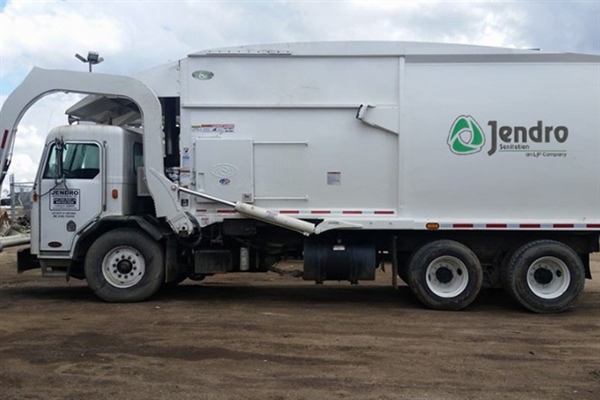
Improper waste disposal quietly raises the cost of garbage collection for everyone on the route. When banned items end up in a cart, or when the wrong material lands in a recycling bin, the load has to be sorted by hand, rejected at the facility, or hauled somewhere else entirely. Those extra steps add labor, fuel, and disposal fees that eventually show up in what trash pickup and recycling service cost across Northern Iowa.
The good news is that most of it is preventable. A few minutes of sorting at the curb keeps materials moving through the system the way they should, keeps our drivers safe, and keeps more recyclables out of the landfill. Here's a plain look at what goes wrong, why it costs more, and what you can do about it.
Key Takeaways: -
Banned items like tires, electronics, and hazardous materials require separate handling, which adds cost to every load they contaminate.
-
One contaminated recycling bin can slow sorting at the processing facility or send an entire load to the landfill.
-
Correct sorting, flattened cardboard, loose recyclables, and the right dumpster for the job keep disposal costs down for households and businesses.
Prohibited Items Cost More to Handle
Certain items are prohibited because they can't be safely or legally processed with household garbage, and handling them separately costs real money. Each one has to be pulled out, stored, transported, and disposed of through a different channel — sometimes a specialty recycler, sometimes a licensed hazardous waste facility. That's labor and freight that a standard route was never built to absorb.
Items we can't take in our dumpsters include:
-
Animal carcasses
-
Corrugated cardboard
-
Hazardous materials such as paint, oil, and chemicals
-
Sanitation appliances
-
Televisions and computer monitors
-
Tires
-
Yard waste
Some of these pose a safety risk, too. A can of solvent or a lithium battery crushed inside a packer truck can start a fire, and that single mistake can cost a truck, a day of service, and a lot more than the fee to dispose of it correctly. If you're unsure about an item before a cleanout, check our Waste Removal FAQs or call before you toss it.
How Contamination Slows Recycling Processing
Contamination forces recyclables to be handled more than once, and every extra touch costs money. Plastic bags tangle in sorting equipment and shut down a line until someone cuts them free. Food residue soaks into paper and cardboard, lowering the grade of the bale or ruining it outright. Styrofoam, colored glass, and medical bottles all have to be picked off by hand.
That hand-sorting is the expensive part. Facilities staff positions specifically to pull out material that shouldn't be there, and when contamination runs high, they need more of them working longer. Those costs flow back through the whole chain, from the processor to the hauler to the customer.
Our Curbside Recycling Pickup keeps things simple: aluminum and tin cans, clear glass, paper, flattened cardboard, and plastics #1-#5 and #7 go loose in the blue container. No bags, no Styrofoam, no food-soiled items.
Fines and Refused Service Penalties
Improper disposal can lead to fines and refused pickups, and both carry a cost. Waste rules in Northern Iowa restrict batteries, electronics, appliances, and hazardous materials from residential trash, and households are expected to follow Iowa DNR guidance and local ordinances. When a prohibited item is visible in a cart, the responsible move is to leave it — not to put a driver or a landfill at risk.
A refused pickup means the waste sits another week, and the trip our truck already made was unproductive. Multiply that across a route and the inefficiency is significant. Landfills and transfer stations can also assess surcharges when a load arrives with unacceptable material, and those charges land on the hauler who brought it in.
If you need help figuring out what belongs where, our team is happy to walk you through it. That's part of what you get with a local Waste Removal Company rather than a call center three states away.
What Contaminated Loads Cost Haulers
A contaminated load can lose its value entirely, which is the single biggest financial hit in recycling. Clean, sorted material has a market — processors buy it and manufacturers turn it into new products. A bale with too much contamination may be rejected, and then the hauler pays landfill tipping fees on material that was supposed to generate revenue.
The hidden costs stack up alongside it:
-
Extra labor to sort, re-sort, or re-handle material
-
Equipment downtime and repairs from bags, cords, and hoses
-
Second trips and route delays when carts have to be skipped
-
Tipping fees on recyclables that should never have reached a landfill
That's why we're serious about sorting on our Weekly Garbage Service routes. Keeping loads clean protects the economics of recycling, and it keeps us able to deliver dependable service at a fair price for Charles City and the surrounding counties.
Simple Habits That Lower Costs
The most effective cost control is sorting correctly at the source, and it takes almost no time once it's a routine. Set up two clearly marked containers inside your home or business, empty and dry your recyclables, and flatten cardboard before it goes out. Keep plastic bags out of the blue bin entirely and return them to a retail drop-off instead.
For larger projects, size the container to the job and know what's going in it:
-
Rent the right container for cleanouts, roofing, or renovation debris through our Dumpster Rental Services
-
Set aside tires, electronics, appliances, and chemicals for proper disposal before loading
-
Give businesses a sorting station for cardboard and commingled recyclables — we build these into our Commercial Waste Services
-
Call ahead with questions instead of guessing at the curb
Businesses see the fastest return on this. Staff training and clearly labeled bins cut contamination quickly, and cleaner streams mean fewer service problems and steadier billing.
Frequently Asked Questions
Can pizza boxes go in the recycling bin?
No, pizza boxes are not accepted in our curbside recycling. Grease and cheese soak into the cardboard fibers and contaminate the paper stream, so those boxes belong in your regular trash.
What should I do with tires and old televisions?
Tires, televisions, and computer monitors can't go in our dumpsters or curbside carts. Give us a call at 641-228-3525 and we'll point you toward the right disposal option for those items.
Should recyclables be bagged before pickup?
Place recyclables loose in your designated blue container. Plastic bags and sacks jam sorting equipment and are not accepted, so keep them out of the bin even when you're using them to carry material to the curb.
Does yard waste go in with household garbage?
Yard waste is kept separate from household trash and is not allowed in our dumpster rentals. We offer yard waste pickup as its own service, which keeps organic material out of the landfill where it belongs.
We've been keeping Northern Iowa clean since 1979, and we're always glad to answer a question about what goes where — no judgment, just a straight answer. Call us at 641-228-3525 or stop by the office at 108 Prospect Ln, Charles City, IA 50616. You can also Contact Us online, and we'll take it from there!