What Materials Are Allowed and Not Allowed in a Rented Dumpster
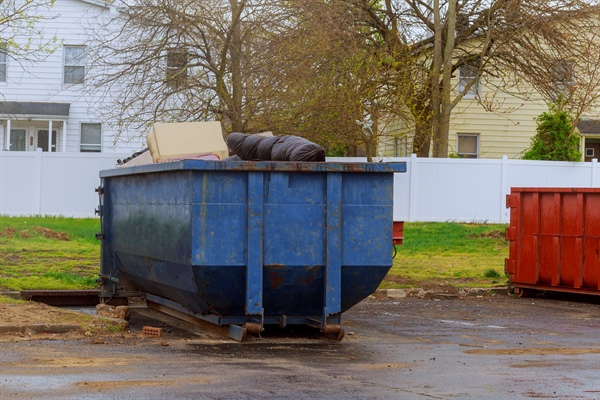
Understanding what materials are allowed and not allowed in a rented dumpster helps prevent disposal delays, safety issues, and unexpected fees. Dumpster regulations are shaped by landfill policies, environmental laws, and transportation safety standards. While dumpsters are designed to handle a wide range of household and construction debris, certain materials require special handling due to chemical risk, recycling requirements, or weight limitations. Clear knowledge of these rules supports responsible waste disposal and protects local disposal infrastructure.
This guide explains how disposal rules apply to everyday cleanouts, renovations, and construction projects. It reviews which materials are commonly accepted, which items are restricted, and how specialty waste streams must be managed. Topics include hazardous waste exclusions, electronics handling, consequences of improper disposal, and best practices for separating recyclable materials. Information is based on industry standards followed by Jendro Sanitation and aligns with regional landfill and recycling requirements. For renters researching dumpster rental, knowing these guidelines in advance helps avoid disruptions and keeps projects on schedule.
Common Household and Construction Materials Allowed in a Dumpster
Most rented dumpsters are approved for non-hazardous household and construction debris. Commonly accepted household items include furniture, carpeting, clothing, toys, drywall, wood scraps, and general household junk. During home cleanouts or remodeling projects, these materials are classified as solid waste and are compatible with standard landfill disposal processes.
Construction-related materials are also widely accepted, including lumber, plywood, roofing shingles, insulation, siding, flooring materials, and small amounts of masonry debris. These materials must be free from chemical contamination and should not contain asbestos or other regulated substances. Weight limits still apply, so dense materials such as plaster or tile may require load management.
For projects that involve large volumes of mixed debris, dumpster rental services are structured to accommodate this type of waste stream. Accepted materials are transported to permitted disposal facilities where they are processed according to local solid waste regulations.
Hazardous Materials That Are Prohibited From Dumpster Disposal
Hazardous materials are excluded from dumpsters due to risks to sanitation workers, landfill operations, and the environment. Prohibited items include liquid paints, solvents, motor oil, antifreeze, pesticides, herbicides, propane tanks, fuel containers, and industrial cleaning chemicals. These substances are regulated under federal and state environmental laws and cannot be processed through standard solid waste streams.
Medical waste, including sharps, prescription medications, and biohazard materials, is also restricted. These items require specialized handling and disposal through licensed hazardous waste or medical waste programs. Disposal rules enforced by landfill operators and environmental agencies are reflected in the service guidelines followed by Jendro sanitation services, which align with regional and state compliance standards.
Improper placement of hazardous waste in a dumpster can contaminate entire loads, resulting in rejected disposal, added processing requirements, or regulatory action. Hazardous materials must always be separated and directed to approved collection or treatment facilities to meet legal and environmental safety requirements.
Proper Handling of Electronics and Batteries During Disposal
Electronics are classified as e-waste and are not suitable for landfill disposal in standard dumpsters. Items such as televisions, computers, monitors, printers, and tablets contain heavy metals and components that require controlled recycling processes. Many states regulate e-waste separately from general solid waste.
Batteries present additional safety concerns. Lithium-ion batteries, lead-acid batteries, and rechargeable batteries pose fire and explosion risks if compacted or damaged. These batteries must be removed from devices and delivered to approved recycling or hazardous waste collection facilities.
Dedicated electronics recycling programs recover reusable metals and safely manage toxic components. Separating e-waste before dumpster rental prevents safety incidents and ensures compliance with disposal regulations.
Consequences of Placing Banned Items in a Dumpster
When prohibited materials are placed in a dumpster, the load may be rejected at the landfill or transfer station. This can halt disposal operations and require the waste to be sorted, removed, or redirected to an approved facility. These processes delay project timelines and increase handling complexity.
Improper disposal can also trigger additional fees. Landfills may assess surcharges for contaminated loads, hazardous material discovery, or overweight conditions caused by restricted debris. In some cases, regulatory agencies may impose fines for violations of disposal laws.
Waste haulers are required to document and report restricted materials when discovered. Compliance failures can affect future service availability and create liability concerns for both the renter and the disposal provider.
Handling Separated Materials Such as Metal and Concrete
Separated materials like metal, concrete, brick, and asphalt are often managed through specialized recycling or reuse programs. Scrap metal is typically diverted for processing and resale, while concrete and masonry materials may be crushed and reused as aggregate in construction projects.
These materials are heavy and can exceed standard dumpster weight limits if mixed improperly. Many disposal facilities require clean loads that contain only one material type to qualify for recycling acceptance. Contamination with wood, plastic, or trash can result in rejection.
Guidelines published by Jendro Sanitation outline how separated materials should be staged and transported to approved facilities. Following material separation rules supports recycling goals and reduces disposal costs.
Dumpster Rental Guidance and Waste Disposal Support
Proper dumpster use starts with accurate information and experienced guidance. Jendro Sanitation provides waste and recycling services designed to meet residential, commercial, and construction disposal requirements. Their team helps customers understand accepted materials, prohibited waste, and recycling options so projects stay compliant and efficient.
Located at 108 Prospect Lane, Charles City, IA 50616, Jendro Sanitation serves the region with dependable service and local disposal expertise. Questions about material restrictions, weight limits, or specialized waste handling can be addressed directly by their team at 641-228-3525.
For assistance with dumpster rentals, recycling services, or disposal planning, visit their contact us page to connect with a knowledgeable representative.