What Materials Are Accepted in Residential Recycling Bins
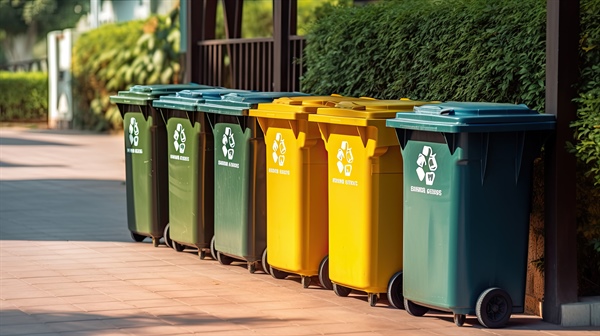
Knowing what materials are accepted in residential recycling bins helps reduce contamination, improves processing efficiency, and support local waste management systems. Many households place items into recycling bins with good intentions, yet small differences in material type, coating, or residue can determine whether an item is recyclable or rejected. Understanding accepted materials allows recycling programs to operate as designed while keeping recyclable commodities clean and market-ready.
This article explains how common household materials are handled in residential recycling programs, including paper, plastics, metals, glass, and labeling symbols found on everyday products. Drawing from established recycling standards and the operational guidance followed by Jendro Sanitation, each section breaks down accepted materials and preparation requirements so households can recycle with confidence. Readers will also find references to residential recycling practices used across residential service areas.
Paper Products Accepted in Curbside Recycling Programs
Paper remains one of the most widely accepted materials in curbside recycling systems due to its strong secondary market and established processing infrastructure. Commonly accepted paper products include cardboard, paperboard, newspapers, office paper, mail, magazines, and paper packaging. Corrugated cardboard boxes should be flattened to conserve space and allow efficient sorting during collection and transport.
Paper must be free from food residue, grease, or moisture to remain recyclable. Items such as pizza boxes with grease staining, wax-coated paper, and paper towels are typically excluded due to contamination risks. Recycling facilities rely on fiber integrity, and once paper fibers absorb oils or liquids, they cannot be reused effectively in new paper products.
Residential programs aligned with standardized residential recycling guidelines emphasize keeping paper clean, dry, and separated from non-paper materials. This preparation improves fiber recovery rates and supports downstream paper mills that convert recovered material into new packaging and printed goods.
Plastic Containers That Can Be Recycled at Home
Residential recycling programs commonly accept rigid plastic containers such as bottles, jugs, jars, and tubs used for food, beverages, and household products. These containers are typically made from PET (#1) or HDPE (#2) plastics, which are widely recycled due to strong end-market demand and established processing capabilities.
Accepted items usually include water bottles, milk jugs, detergent containers, shampoo bottles, and food storage tubs. Containers should be emptied and rinsed to remove residue. Labels may remain on containers, but caps should follow local guidance, as some programs accept caps attached while others require removal.
Plastic film, bags, foam products, and disposable utensils are generally excluded because they tangle sorting equipment or lack viable recycling markets. Residential collection programs coordinated alongside residential waste services rely on consistent container shapes to maintain sorting accuracy and processing efficiency.
Metal Cans and Aluminum in Residential Recycling
Metal packaging is highly recyclable and retains material value through repeated processing cycles. Aluminum beverage cans and steel food cans are widely accepted in residential recycling bins. These materials are separated using magnets and eddy current systems at recycling facilities, allowing efficient recovery and resale.
Aluminum cans should be empty and rinsed, while steel cans should have food residue removed. Labels do not need to be removed, but sharp edges should be pressed inward when possible to reduce handling hazards during sorting and processing.
Items such as aerosol cans, propane tanks, and scrap metal are not suitable for curbside recycling due to safety concerns and specialized processing requirements. Residential programs focus on packaging-grade metals that can be safely handled and processed within standard recycling streams.
Proper Handling of Glass in Residential Recycling Programs
Glass recycling acceptance varies by region due to differences in processing infrastructure and contamination risks. When accepted, glass bottles and jars are typically limited to food and beverage containers. These items should be emptied and rinsed before placement in recycling bins.
Glass breakage during collection and transport can contaminate other recyclable materials, which is why some programs require a separate glass drop-off or exclude glass entirely. Ceramics, window glass, mirrors, and heat-resistant cookware are not recyclable through curbside programs due to differing chemical compositions.
Where glass is accepted, keeping it loose rather than bagged helps processing equipment identify and sort material correctly. Program-specific guidelines are designed to protect worker safety and maintain the quality of recovered materials.
Recycling Symbols That Identify Recyclable Household Items
Recycling symbols provide guidance on material composition but do not guarantee curbside acceptance. The most recognized symbol is the resin identification code found on plastic containers, numbered from #1 through #7. These codes indicate plastic type rather than recyclability within a specific program.
The Mobius loop, commonly displayed as three chasing arrows, signifies that a product is recyclable or made from recycled material. Variations of this symbol may include percentage indicators or material abbreviations that assist manufacturers and recycling facilities.
Households are encouraged to reference program-specific acceptance lists rather than relying solely on symbols. Accurate interpretation of labeling supports cleaner recycling streams and aligns with collection standards published by Jendro Sanitation.
Residential Recycling Services and Local Support
Understanding what materials belong in residential recycling bins supports cleaner neighborhoods, efficient collection, and responsible waste management. Jendro Sanitation provides structured recycling and waste services designed to align with regional processing standards and long-standing industry practices.
Based in Charles City, Jendro Sanitation serves surrounding communities with consistent residential recycling and waste collection programs that reflect accepted material guidelines. Their team supports households with clear collection schedules, service reliability, and practical recycling education.
To learn more or discuss residential recycling services, contact Jendro Sanitation at 641-228-3525 or visit their office at 108 Prospect Lane, Charles City, IA 50616. Additional details are available on their contact us page.