How Residential Trash Services Handle Bulk and Oversized Items
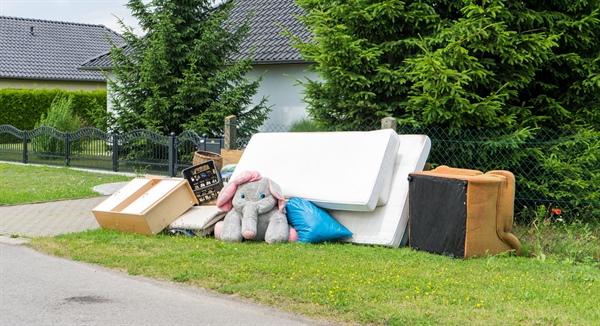
Bulk and oversized waste is a routine issue for many households, whether it involves replacing furniture, cleaning out a garage, or managing debris after a renovation project. Residential trash services address these materials differently than weekly household waste because of size, weight, and disposal requirements. Understanding how bulk items are defined, scheduled, prepared, and collected helps residents avoid delays, safety issues, and unexpected charges.
Residential providers such as Jendro Sanitation operate structured systems for handling large items that cannot fit into standard carts. These systems account for vehicle capacity, landfill rules, and labor requirements while maintaining consistent neighborhood service. This article explains what qualifies as bulk waste, how pickups are arranged, what preparation is required, whether extra fees apply, and how often residents can request these services. Each section answers one of the following questions in detail to give homeowners clear expectations around bulk waste collection and trash removal.
What Qualifies as a Bulk Item for Residential Trash Service
Bulk items are materials that exceed the size or weight limits of standard residential trash containers. Common examples include couches, mattresses, box springs, recliners, large tables, dressers, and appliances that do not contain hazardous components. These items cannot be mechanically lifted by automated collection trucks and must be handled separately to prevent equipment damage and safety risks.
Many residential services classify bulk waste based on dimensions, typically items longer than four feet or heavier than what one worker can safely lift. Construction debris, such as doors, cabinets, or bundled lumber, may also fall into this category when generated from small home projects. Appliances containing refrigerants, electronics, and automotive parts are often excluded due to environmental regulations and must be handled through specialized programs.
Providers rely on clear definitions so crews can plan routes, staffing, and disposal logistics. Residential programs that include scheduled or on-demand bulk collection typically publish item lists so homeowners know what qualifies before placing materials curbside for trash removal.
How Homeowners Schedule Bulk Item Pickup
Bulk item pickup is usually scheduled separately from weekly trash service. Homeowners contact their provider in advance so the company can allocate appropriate equipment and labor. Scheduling helps prevent missed pickups and ensures that large items are collected without disrupting regular routes.
Some residential programs offer limited bulk service on designated days, while others require individual appointment requests. Scheduling may involve providing a description of the items, approximate dimensions, and quantity. This information allows dispatch teams to determine whether a standard rear-load truck or a specialty vehicle is needed.
Residential garbage services that support bulk scheduling often integrate these requests into existing service calendars to maintain efficiency and compliance with local disposal rules. Providers such as those offering residential garbage services use this process to balance customer needs with route safety and landfill acceptance policies.
Are Additional Fees Required for Oversized Trash Items
Additional fees are common for oversized items due to increased labor, vehicle space, and disposal costs. Unlike bagged household waste, bulky materials often require manual lifting and dedicated landfill tipping fees based on weight or item type.
Fee structures vary depending on the service agreement and the nature of the item. Mattresses, furniture, and large wood items are often priced individually, while multiple items may be billed as a single bulk load. Appliances and treated materials can carry higher charges due to environmental handling requirements.
Residential services publish bulk pricing policies to provide transparency and avoid confusion. These charges reflect real operational costs rather than penalties and allow providers to maintain safe collection practices while meeting disposal regulations.
What Preparation Is Required for Bulk Waste Collection
Proper preparation improves collection efficiency and reduces safety risks. Bulk items are typically placed at the curb, away from mailboxes, utility poles, and parked vehicles. Items should not block sidewalks or storm drains, as accessibility is critical for manual handling.
Some materials require disassembly or bundling. For example, wooden furniture may need to be broken down, and loose debris tied into manageable bundles. Mattresses and upholstered furniture should be dry to prevent additional handling hazards.
Preparation guidelines exist to protect workers and prevent service delays. Items that are improperly staged or include prohibited materials may be left behind until corrected, reinforcing the need for homeowners to follow published preparation standards.
How Often Residents Can Request Bulk Item Service
The frequency of bulk item service depends on the residential service plan and local regulations. Some providers include a limited number of bulk pickups per year, while others offer unlimited service with per-item charges.
Scheduled community cleanup days are another common option, allowing residents to dispose of large items during designated periods. These programs help manage landfill flow and reduce illegal dumping by offering predictable disposal opportunities.
Service providers outline frequency limits to manage capacity and maintain consistent neighborhood collection. Detailed service terms and scheduling options are available through the official site of Jendro Sanitation, which outlines residential service structures and bulk waste policies.
Residential Bulk Waste Solutions from Jendro Sanitation
Jendro Sanitation provides structured residential waste solutions designed to handle both routine household trash and bulk materials safely and efficiently. From defining acceptable bulk items to coordinating scheduled pickups, the company applies consistent procedures that align with disposal regulations and community standards.
Homeowners in Charles City benefit from clear service guidelines, transparent pricing, and dependable scheduling that support responsible waste management. Whether managing furniture removal, renovation debris, or periodic cleanouts, Jendro Sanitation offers reliable residential solutions supported by experienced crews and compliant disposal practices.
To discuss bulk pickup options or confirm service details, contact Jendro Sanitation at 641-228-3525 or visit their office at 108 Prospect Lane, Charles City, IA 50616. Additional information and service requests are available through their contact us page.