How Commercial Trash Collection Works for Businesses
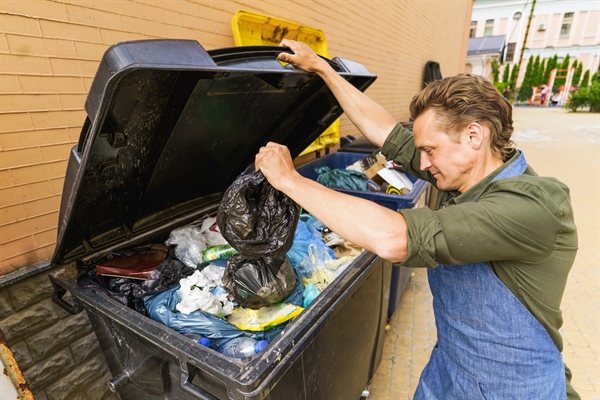
Commercial trash collection is a structured service designed to manage the steady and often high-volume waste generated by businesses. Unlike household garbage pickup, commercial waste service accounts for operational hours, waste type, regulatory requirements, and storage limitations. From retail stores managing daily foot traffic to manufacturing facilities handling bulk materials, trash collection must align with how a business operates to avoid disruption, safety risks, or compliance issues.
Understanding how commercial trash collection works helps business owners make informed decisions about scheduling, container sizing, and service adjustments. This article explains how pickup schedules are established, which businesses require commercial waste service, how commercial and residential services differ, what affects pickup consistency, and how service changes are requested. Drawing on long-standing industry practices and experience from providers like Jendro Sanitation, this overview provides clarity for businesses evaluating or maintaining commercial waste services.
How Commercial Trash Pickup Schedules Are Determined
Commercial trash pickup schedules are based on the volume and type of waste a business produces. Businesses that generate food waste, packaging materials, or industrial byproducts often require more frequent pickups to maintain sanitary conditions and meet local regulations. Waste audits or historical usage data are commonly used to establish an initial schedule that balances operational needs with efficiency.
Operating hours also play a role. Businesses with extended hours or overnight operations may require early morning or off-peak pickups to avoid interference with customers or staff. Access constraints such as loading docks, shared service areas, and municipal noise restrictions further shape scheduling decisions.
Seasonal changes and business growth can influence long-term scheduling adjustments. Restaurants, event venues, and retail businesses often experience fluctuating waste volumes, which may lead to schedule revisions. These operational realities are central to structured commercial waste services designed for consistency and compliance.
Types of Businesses That Require Commercial Waste Service
Any business producing waste beyond typical household levels requires commercial waste service. This includes restaurants, grocery stores, offices, medical facilities, schools, manufacturers, and retail establishments. Each business type generates distinct waste streams, ranging from food scraps and packaging to paper, plastics, and regulated materials.
Health and safety regulations often mandate commercial service for certain industries. Food service and healthcare operations must follow strict disposal standards to prevent contamination and public health risks. Office buildings and multi-tenant properties rely on scheduled waste collection to manage shared disposal areas efficiently.
Commercial waste service also applies to construction sites and temporary operations, which generate debris that exceeds residential limits. These businesses rely on scalable sanitation services to align waste removal with project timelines and operational demands, a core function of professional sanitation services.
Key Differences Between Commercial and Residential Trash Service
Commercial trash service differs from residential service in volume capacity, container types, and service frequency. Businesses typically use dumpsters or large carts designed to handle higher waste output, while residential customers rely on standardized bins with fixed pickup days.
Service agreements also differ. Commercial customers often operate under customized contracts that specify pickup frequency, container size, and waste type handling. Residential service follows standardized routes with limited flexibility due to neighborhood logistics.
Regulatory oversight is more extensive for commercial service. Businesses must comply with local, state, and federal disposal regulations, particularly when handling food waste, recyclables, or industry-specific materials. These requirements shape how commercial waste collection is structured and monitored.
Factors That Affect Consistency in Commercial Trash Pickup
Consistency in commercial trash pickup depends on route planning, equipment availability, and access conditions. Service providers design routes to maximize efficiency while accounting for business locations, traffic patterns, and service windows.
Weather conditions can disrupt schedules, especially in regions that experience snow, ice, or severe storms. Equipment maintenance and staffing levels also influence reliability, as missed pickups often stem from mechanical issues or access obstructions rather than scheduling failures.
Customer-side factors matter as well. Blocked dumpsters, overloaded containers, or improperly sorted waste can delay service. Clear access and adherence to service guidelines support consistent pickup outcomes.
How Businesses Request Changes to Commercial Trash Service
Businesses request service changes by contacting their waste provider directly. Common requests include adjusting pickup frequency, changing container sizes, or modifying service days to match operational changes.
Requests are typically evaluated based on waste volume trends, route logistics, and local regulations. Providers may conduct follow-up assessments to confirm that adjustments align with service capabilities and compliance standards.
Clear communication is key. Businesses working with Jendro Sanitation benefit from established service processes that allow for documented requests and structured updates to ongoing commercial service agreements.
Reliable Commercial Waste Solutions Backed by Experience
Commercial waste management requires accuracy, consistency, and a clear understanding of how different businesses operate. Jendro Sanitation provides structured waste and recycling services designed to support a wide range of commercial operations, from small offices to large-scale facilities. Their approach aligns pickup schedules, container options, and compliance requirements with real-world business needs.
Serving businesses from their location at 108 Prospect Lane in Charles City, IA, Jendro Sanitation applies more than four decades of operational experience to commercial waste collection. Businesses seeking dependable service or adjustments to existing pickup plans can speak directly with a knowledgeable team by calling 641-228-3525.
For businesses evaluating commercial trash collection or planning service updates, direct communication simplifies the process. Learn more or request assistance by visiting contact us to connect with Jendro Sanitation.